District Workforce Development Newsletter - October 2025
trivia_and_entertainment
Trivia & Entertainment
trivia_body_text
Get engaged and win big! Explore this month's newsletter and test your knowledge with our October 2025 Trivia Challenge. A $25 Amazon gift card awaits the winner, so put on your thinking cap and start reading! Follow this link to view the October 2025 Trivia Challenge (opens in new tab)...
september_trivia_winner
september_trivia_winner
Congratulations to Ngoc Nguyen Gia Phan, student intern at the Student Leadership Department at Seattle Central College.
nordstrom_visit_lead
nordstrom_visit_body_text
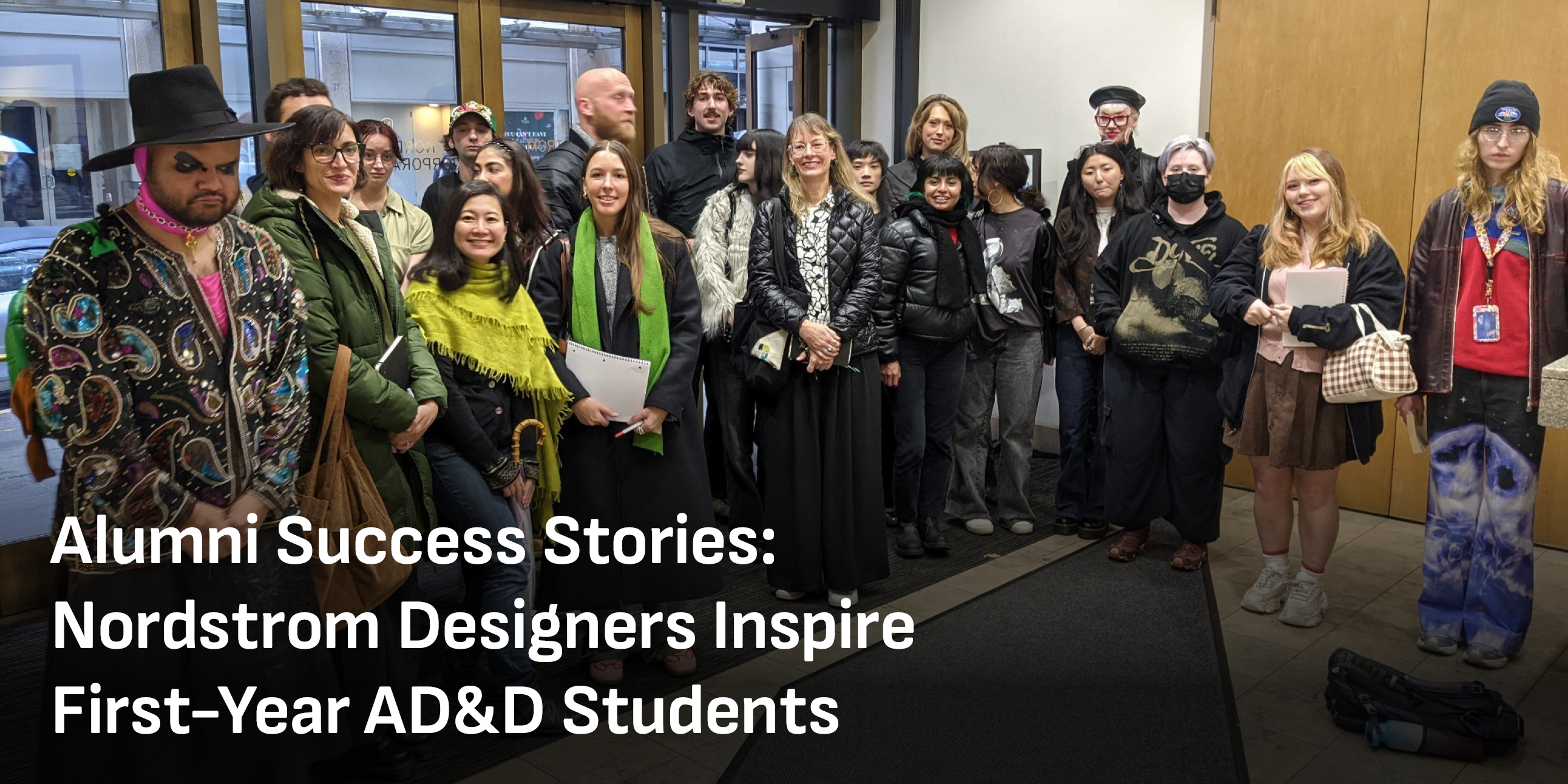
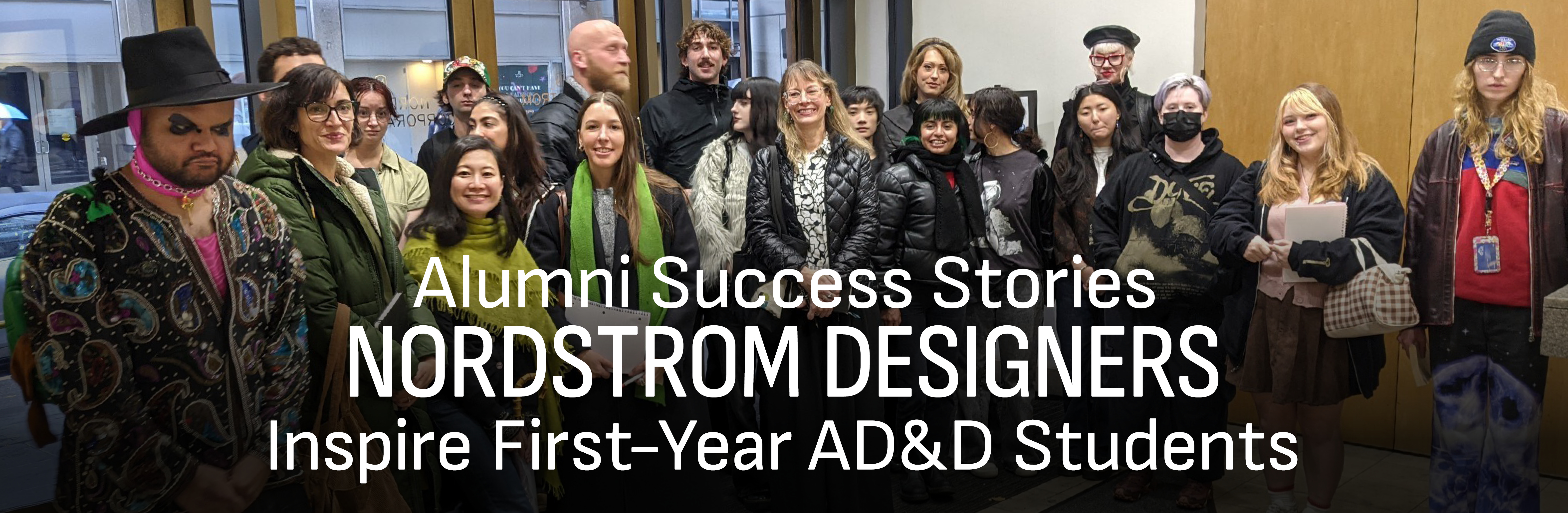
Bridging the gap between classroom theory and industry practice, first-year students in the Apparel Design & Development Program received an inside look at the design process during a visit to Nordstrom HQ on October 24, hosted by two successful alumni of their own program.
What does it take to succeed as a designer at a major retailer? First-year Apparel Design & Development (AD&D) students explored this question firsthand during an inspiring visit to Nordstrom Corporate on Friday, October 24, guided by two Senior Designers who started their own journeys right here at Seattle Central College. The visit, part of Tanya Knannlein's Apparel Manufacturing (APPRL 130) course, provided an invaluable glimpse into the fast-paced world of corporate apparel design.
Students were hosted first by Quynh Phan, a Senior Designer for Women's Woven Apparel and an SCC AD&D alumna from the early 2000s. Phan shared her career trajectory, starting as a technical designer at Nordstrom in 2010 before moving into her current role. Surrounded by fabric samples, tech pack pages, and garments from upcoming collections—including intricate "origami pockets"—Phan detailed the complex process behind each piece. She emphasized that design is "creative in a bit, but largely analytical," involving deep collaboration with technical designers, material sourcing teams, and cost analysts, all while keeping a meticulously defined customer profile and budget in mind. Phan stressed that success isn't just about individual skill but also "how you work together to get the best team." Designing multiple collections simultaneously, often with only weeks from concept to sample and involving overseas factories, requires a constant cycle of research (from trend services like WGSN to social media), sketching (up to 60+ designs in a development cycle), and refinement. Phan contrasted her focus on creating quality, timeless "investment pieces" with fast fashion, underscoring the importance of understanding fabric behavior alongside design aesthetics.
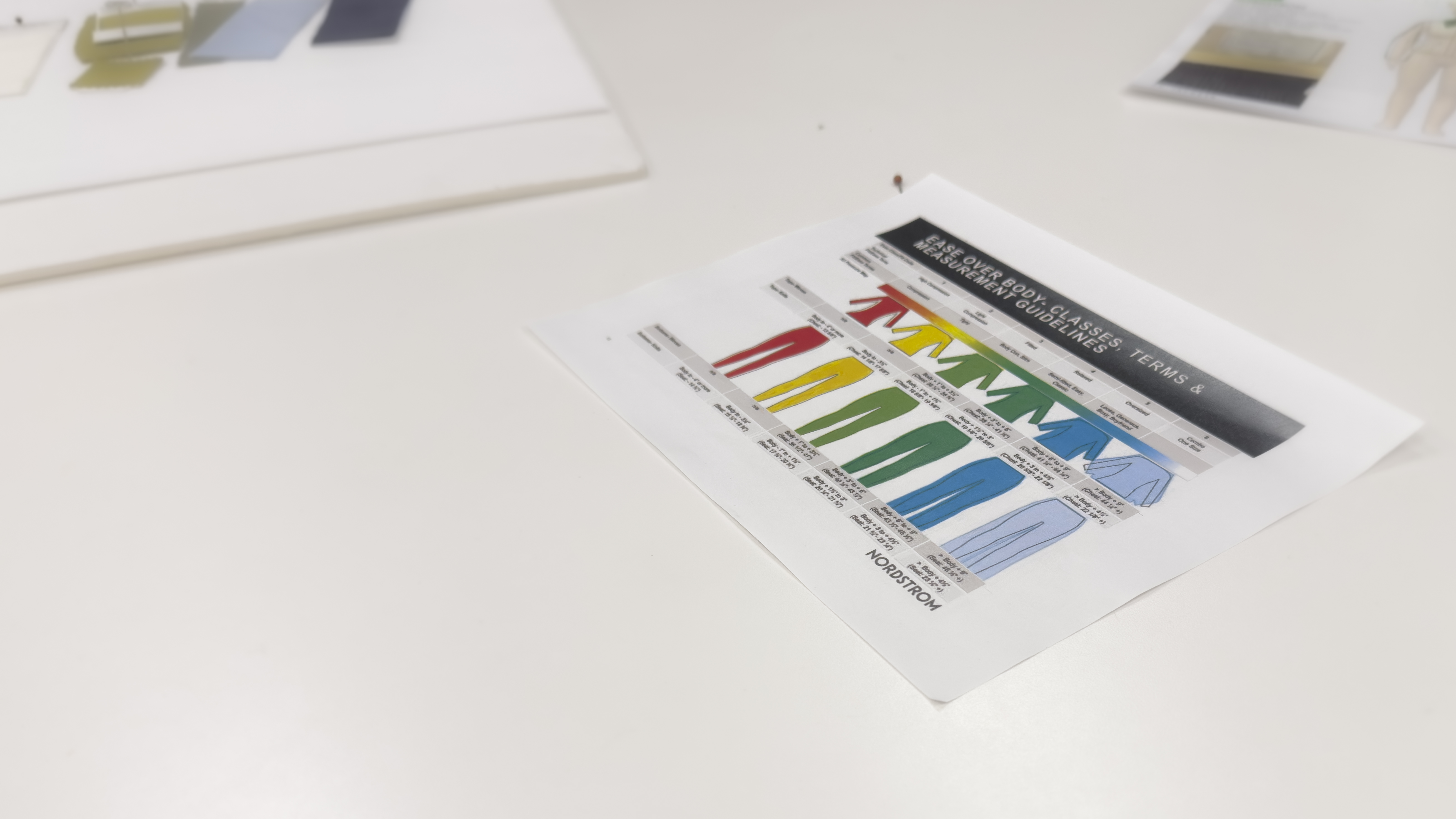
The second part of the visit was led by Jacob Sutton, Designer for Men's Suiting, who graduated from the AD&D program about seven years ago and has been with Nordstrom for five. Focusing on elevating the Nordstrom brand entry-level price point suits, Sutton showcased fabric swatches from Italian mills, button books, and organized binders mirroring the students' own processes. He discussed the nuances of menswear design, where innovation often lies in subtle details of fit and style—like combining lapel shapes from different suit types or working within Nordstrom's brand DNA while exploring new silhouettes. Sutton powerfully reinforced the need for soft skills, noting that portfolios should demonstrate adaptability over personal aesthetic (drawing parallels between his professional work and his personal interests). He shared a key insight on collaboration: "Design means collaborating and turning into a 'mayor.' People don't report to you, but you do need everybody's resources and knowledge."
Both alumni hosts stressed the importance of designing pieces people genuinely want to wear and expressed pride in the rigorous, detail-oriented nature of the Seattle Central AD&D program. They noted that while much industry knowledge is gained on the job, SCC graduates are exceptionally well-prepared and often "outwork almost anybody" from other backgrounds. This visit provided first-year students with a powerful, real-world connection to their studies and inspiring examples of the diverse career paths their education can unlock.
lunar_tide_title
Doubling the Workforce: Lunar Tides and Corporate Training Partner for Success
lunar_tide_lead
lunar_tide_text
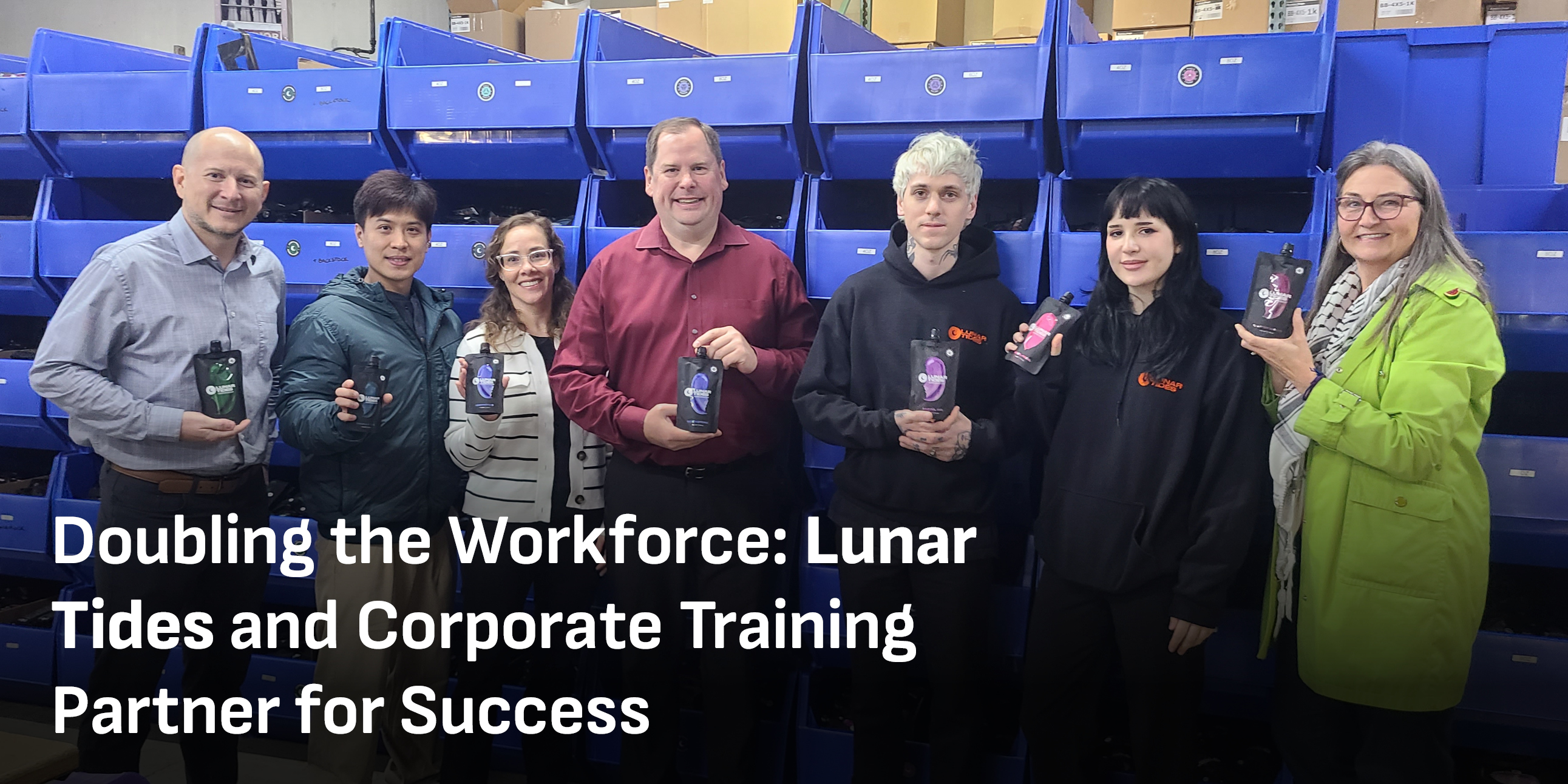
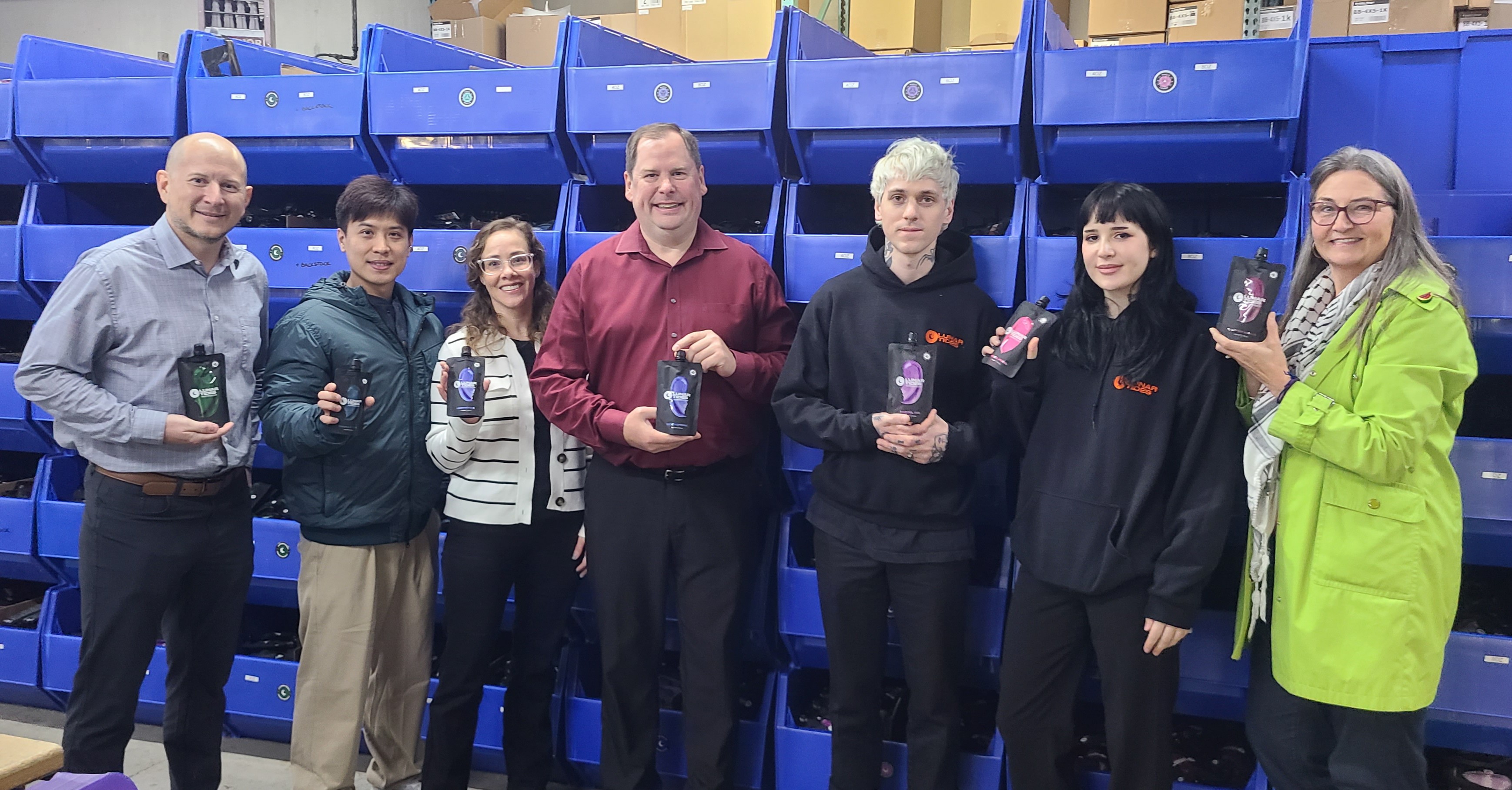
A recent check-in with Job Skills Program (JSP) grant recipient Lunar Tides revealed more than just a successful business—it showcased a model for employee-centered growth and a powerful "all hands-on deck" approach to training that is helping the dynamic, woman-owned company thrive.
lunar_tide_body
lunar_tides_body_text
Located deep in a business park in South Park, Lunar Tides, one of Seattle Colleges Corporate Training Job Skills Program (JSP) grant recipients, is a small, but dynamic company. Woman owned and operated since 2013, Lunar Tides is an indie brand manufacturer and online retailer specializing in semi-permanent hair dyes, offering over 40 unique shades that are 100% vegan and cruelty-free. The company emphasizes quality and accessibility, formulating dyes that are ready to use without the need for blending or additional products. Their formulas incorporate natural ingredients, and all products are manufactured with a commitment to ethical practices, aligning with the company’s core values.
Our Corporate Training team visited Lunar Tides for a check-in on how the JSP training was going and to see if they had questions or concerns. What we found is that this small company clearly values employees and their input and ideas and strives to support them in creating a healthy and engaging work environment. All employees are involved in the JSP training and contribute ideas to process improvement. Each employee is an integral part of the success of the company and Lunar Tides has recently hired 6 new employees, nearly doubling their workforce. As a part of the expansion, Lunar Tides has added warehouse space and the founder, Cassie McNeil, is creating employee training manuals. With her employees’ optimal learning in mind, she incorporates learning styles and features into the manuals to help each employee understand their work and the company in a way that works for them.
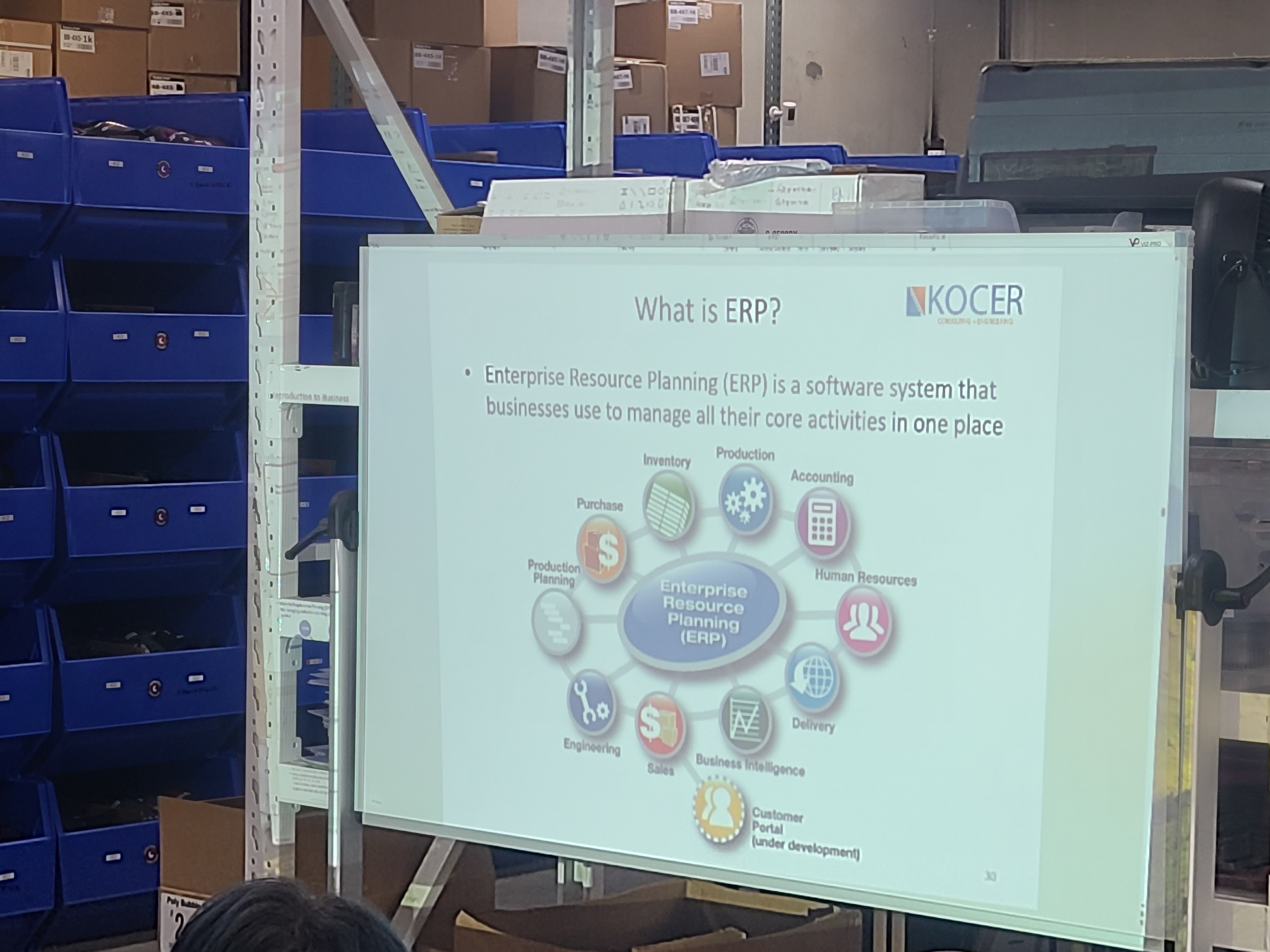
At Lunar Tides the implementation of a new Enterprise Resource Planning (ERP) system is being undertaken as an "all hands-on deck" approach. Instead of just having leaders in training sessions the entire company is in each training session. This helps every employee understand their role within the new system, as well as the importance of their role in that system. Unlike many other companies who only train a few select employees, and count on the "trickle down" of knowledge to all employees, Lunar Tides is actively involving every team member. During the most recent training class employees demonstrated a knowledge of how their actions every day can lead to accurate and timely information allowing the best possible outcomes throughout the entire manufacturing cycle. Employees engaged at this level bode well for the future growth and expansion of this dynamic company!
Seattle Colleges Corporate and Customized Training team is proud to partner with such a great, local, small business. We look forward to seeing Lunar Tides utilize the JSP training to continue to grow the company and provide a unique and fulfilling place to work.
acpl_grant
New Funding to Support Recognition of Prior Learning Across the District
acpl_body
acpl_full_body
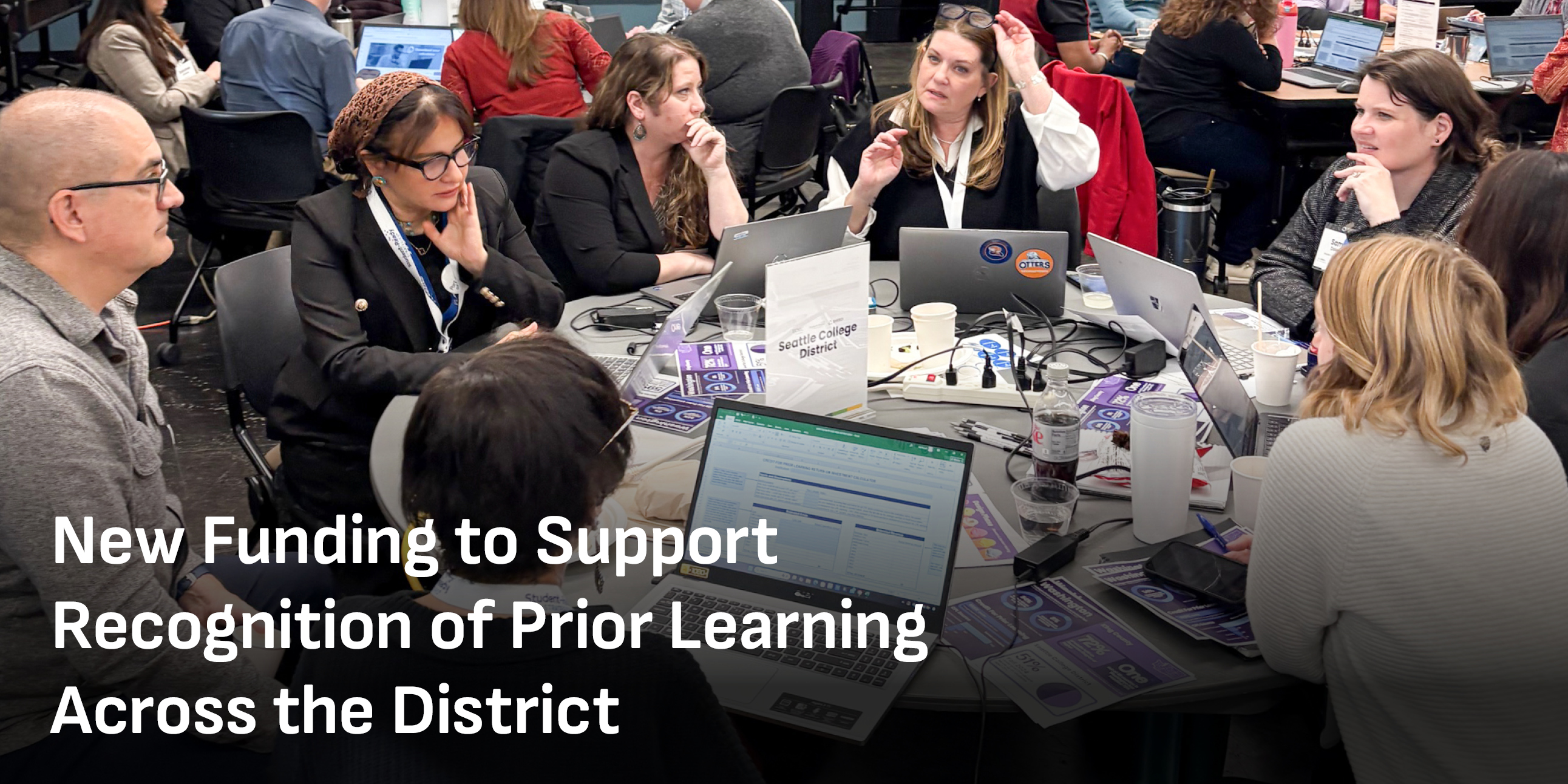
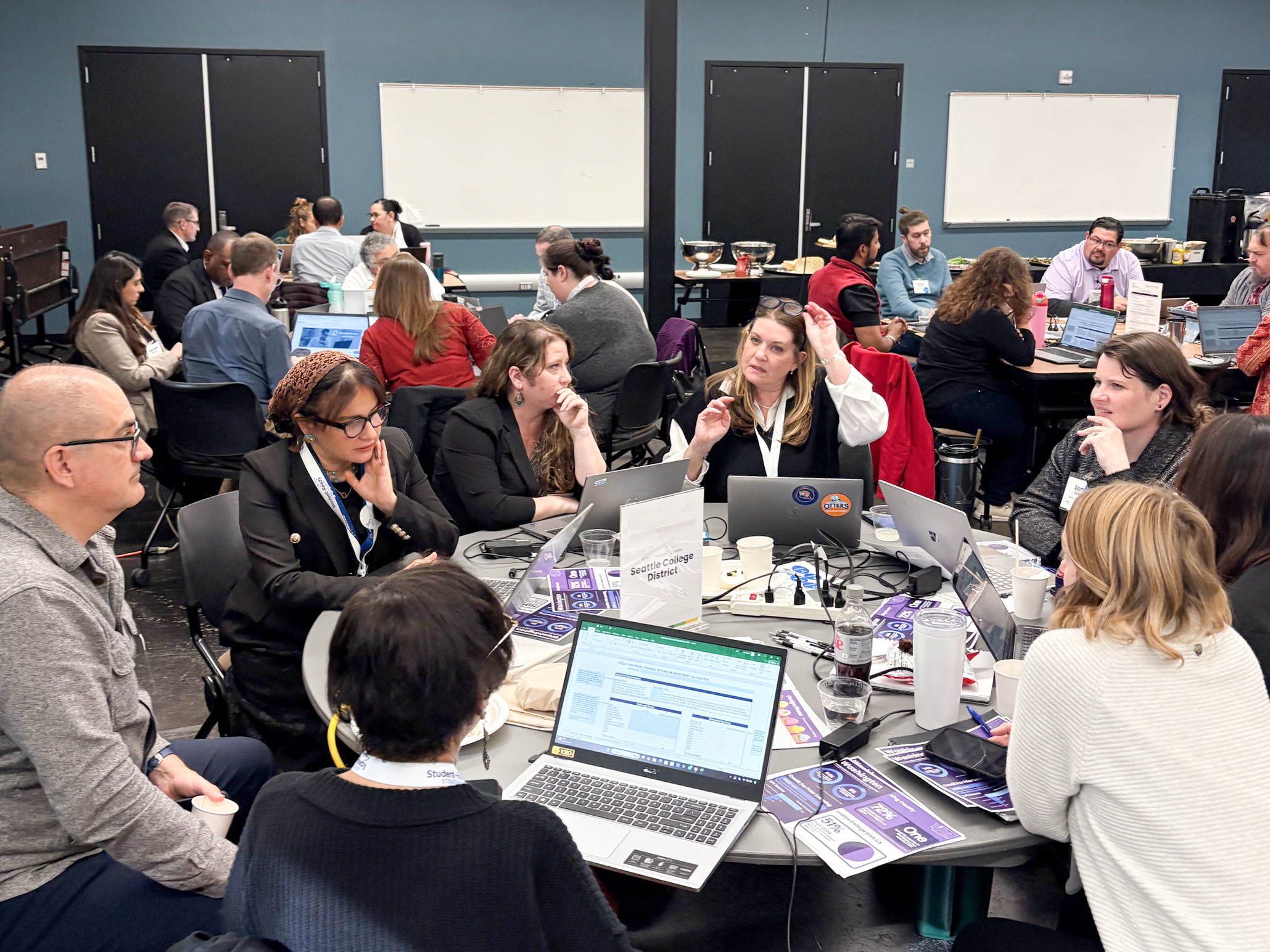
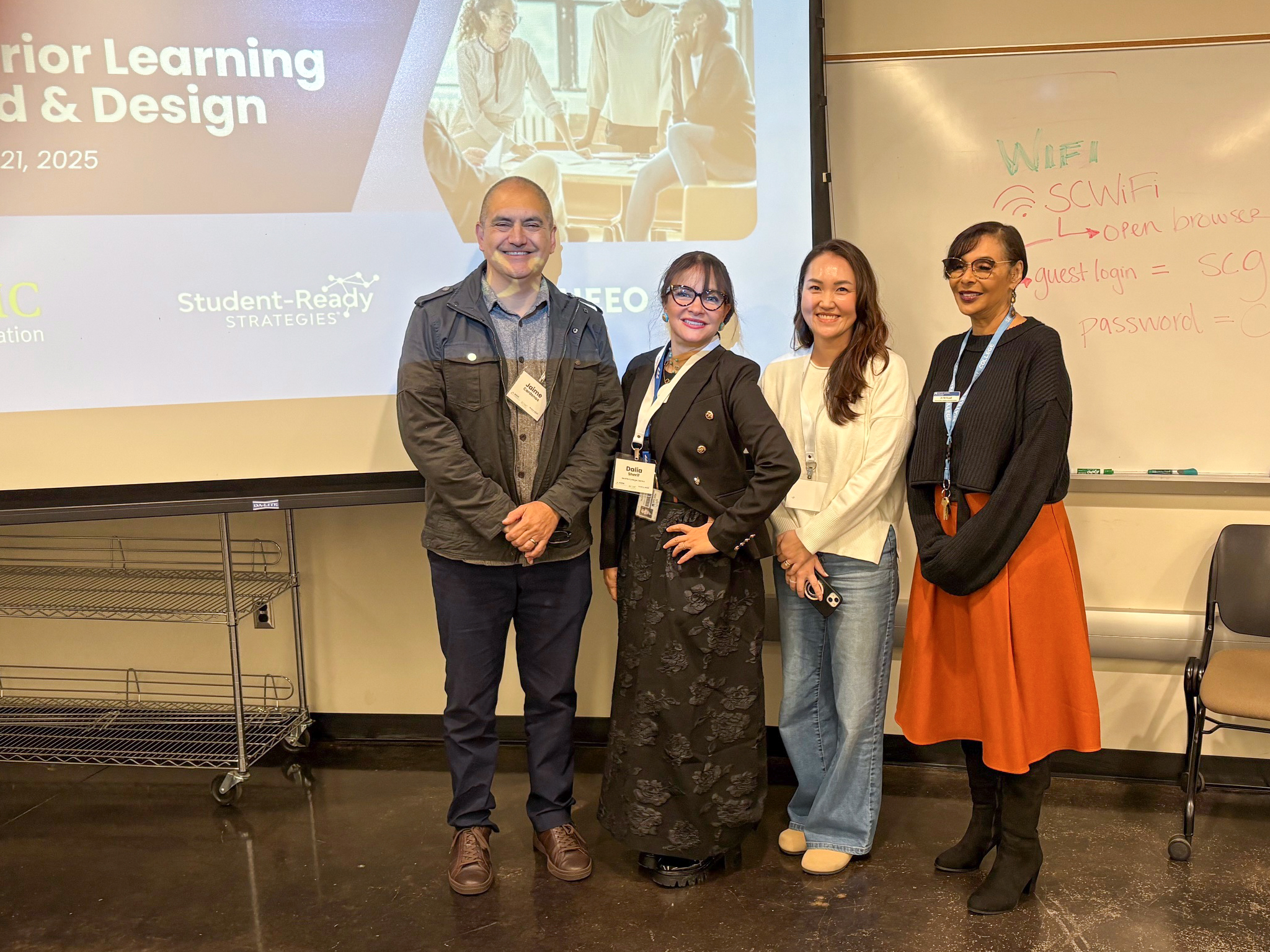
Academic Credit for Prior Learning is a critical tool for promoting equity and access, allowing students to receive formal credit for knowledge gained outside the traditional classroom. This includes skills acquired through work experience, military service, professional training, and other life experiences. By valuing the skills students already possess, ACPL helps them avoid redundant courses, saving them significant time and money and accelerating their path to a degree or certificate.
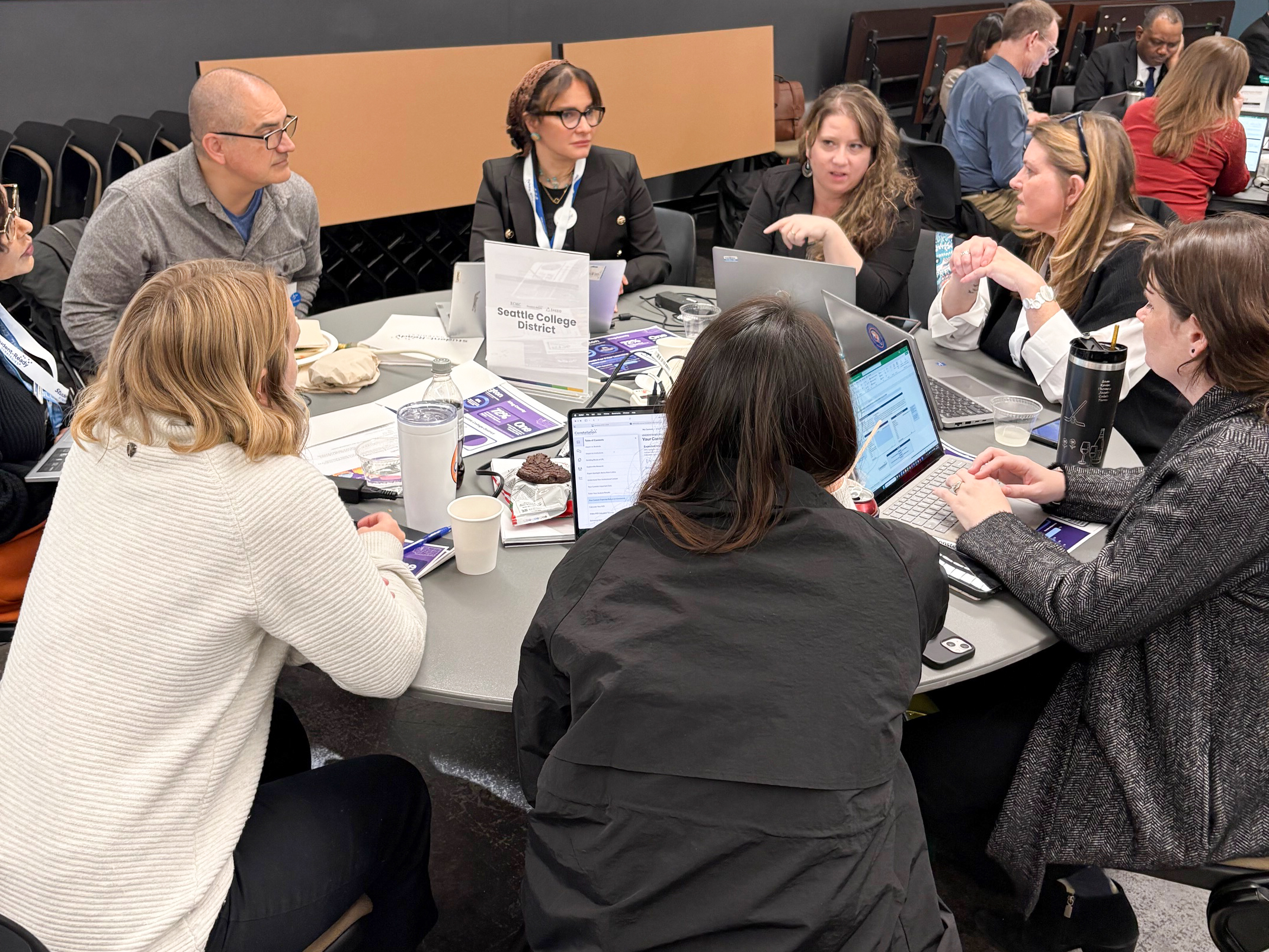
This new grant will directly support the district-wide ACPL workgroup, which you may recall from our previous call for participants. North Seattle College will serve as the lead college, working in partnership with the District Office to enhance collaboration, share best practices, and develop standardized tools such as portfolio assessments and crosswalks between work-based learning and college courses.
This $20,000 grant is a strong validation of this essential work. It provides the necessary support to build a more robust ACPL system that honors the skills our students bring with them and empowers them to reach their educational and career goals more efficiently.
pathfinder_article_body
pathfinder_lead_text
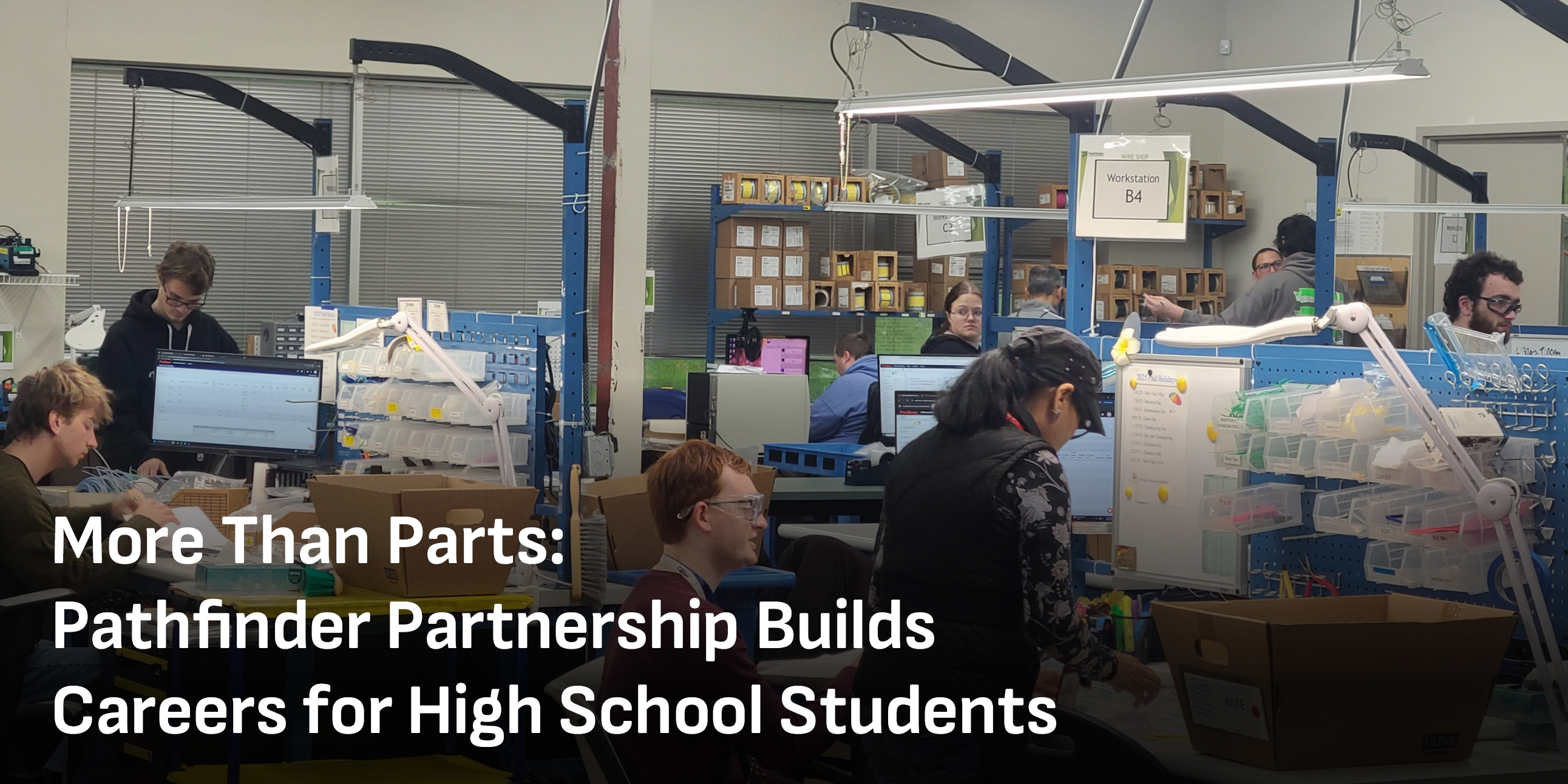
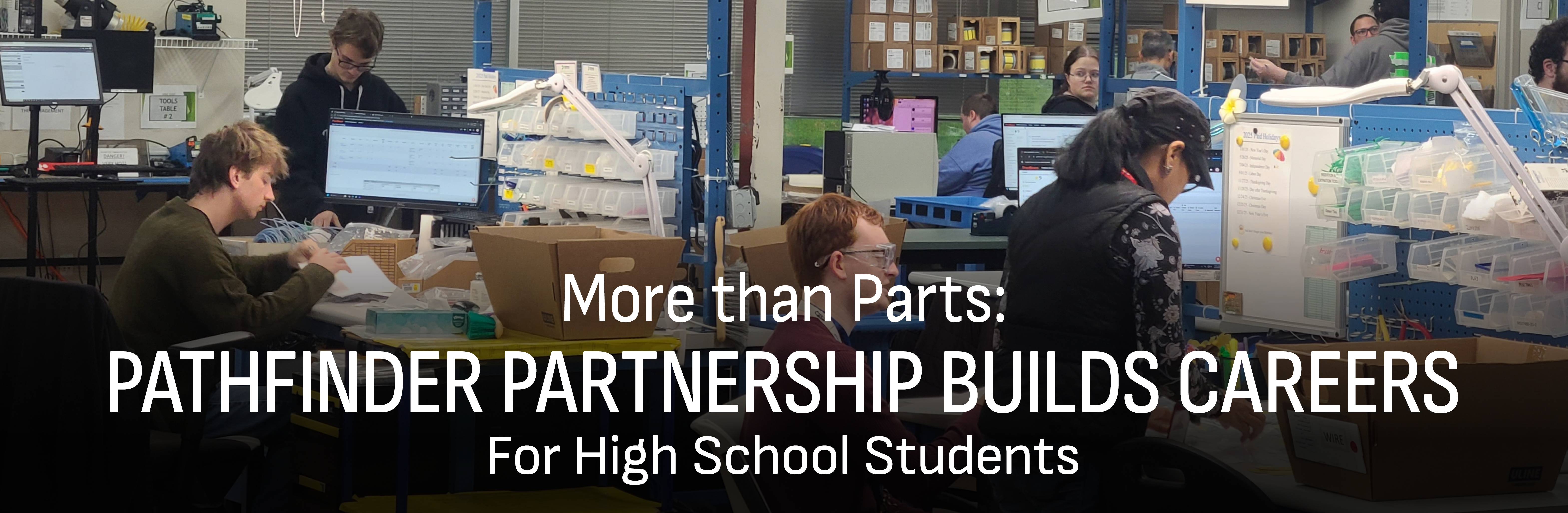
Highlighting a model of workforce innovation, our Corporate Training team recently visited Pathfinder Manufacturing. This social enterprise nonprofit uses a Job Skills Program (JSP) grant to achieve a remarkable 97-98% graduation rate, turning students from 26 local high schools into skilled professionals.
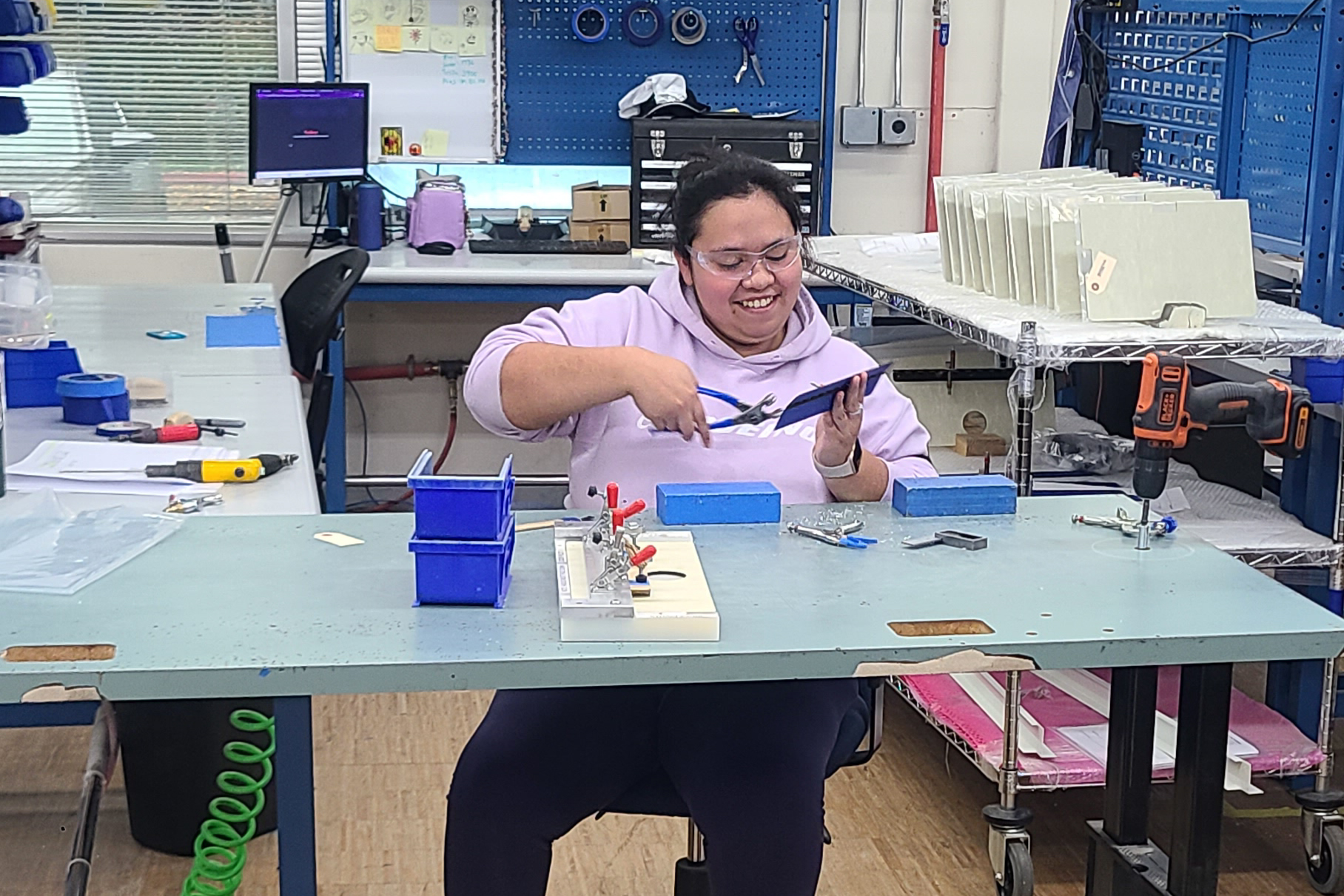
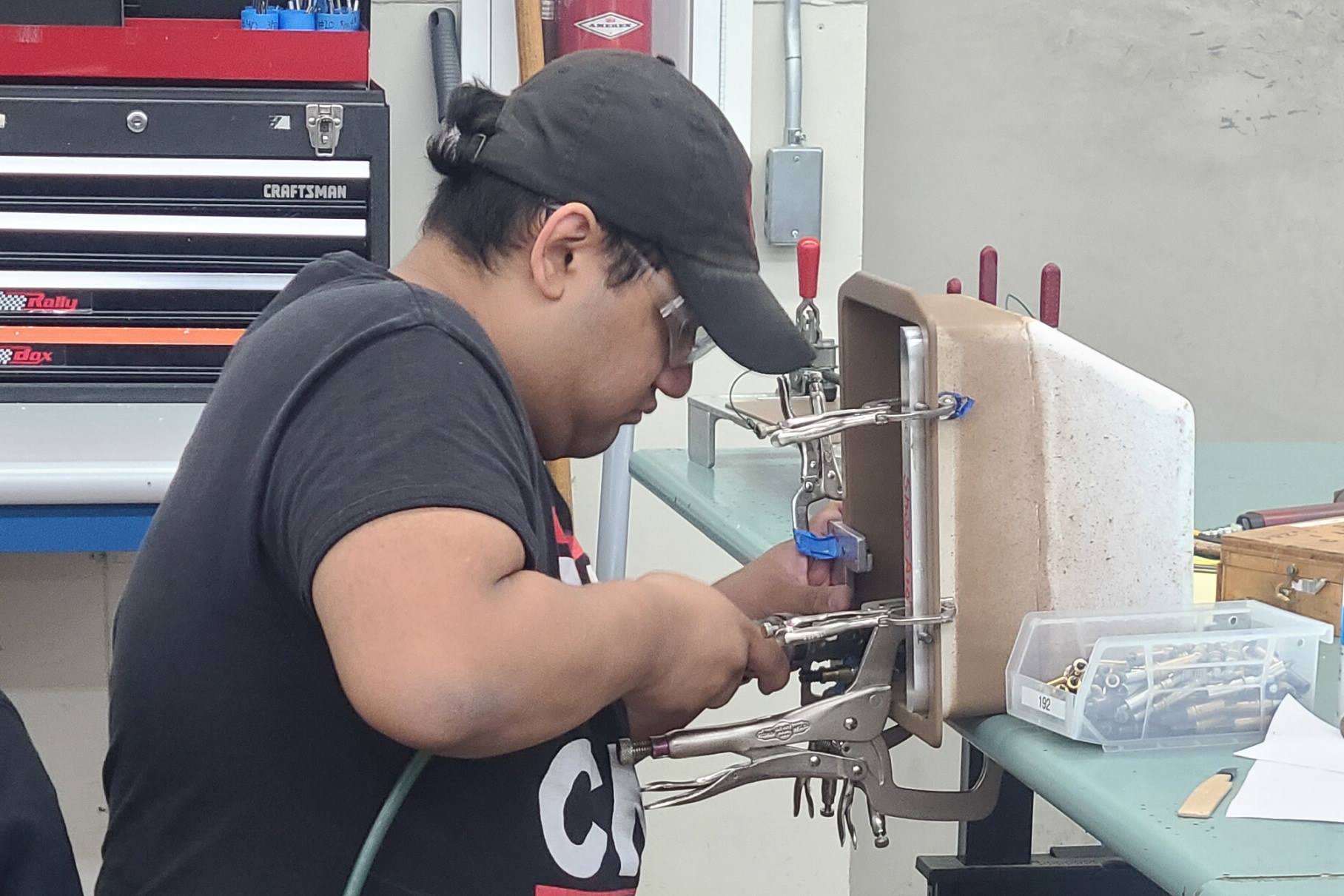
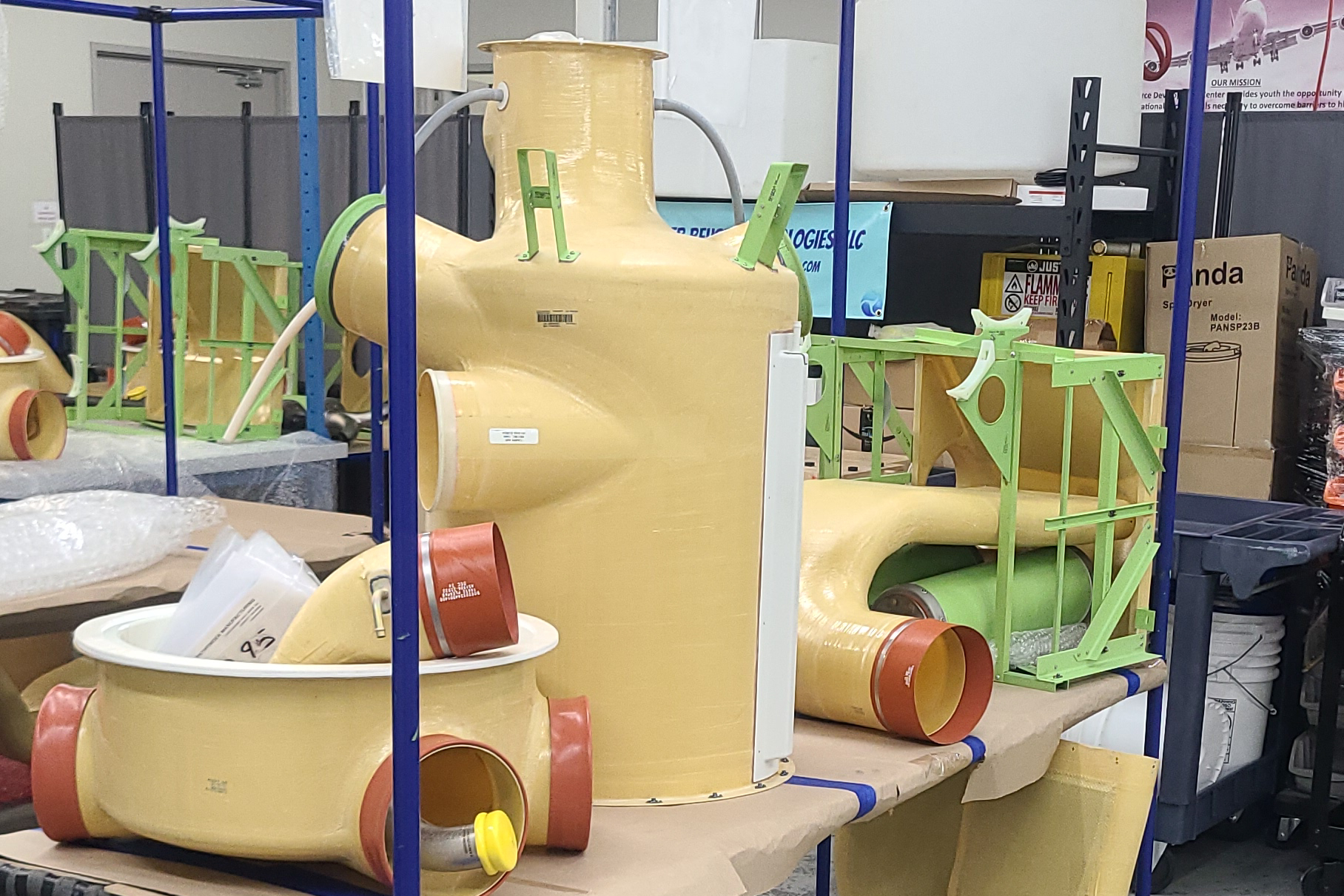
Where do airplane parts, high school students, and manufacturing come together? Seattle Colleges Corporate Training team found the answer when they visited Pathfinder Manufacturing in Everett Washington to check on the progress of their Jobs Skills Program grant training.
Pathfinder Manufacturing, founded in 1991, is a leader in precision machining, fabrication, and assembly of high-quality parts and equipment for a range of industries, including aerospace, space, automotive, medical device, clean energy, maritime, agriculture and defense. As a social enterprise nonprofit 501 (c)(3) manufacturing company, Pathfinder provides vocational skills training to vulnerable high school juniors and seniors and those with disabilities. It draws students from 26 high schools across King and Snohomish Counties, and the students who complete their training at Pathfinder have a graduation rate of 97-98%.
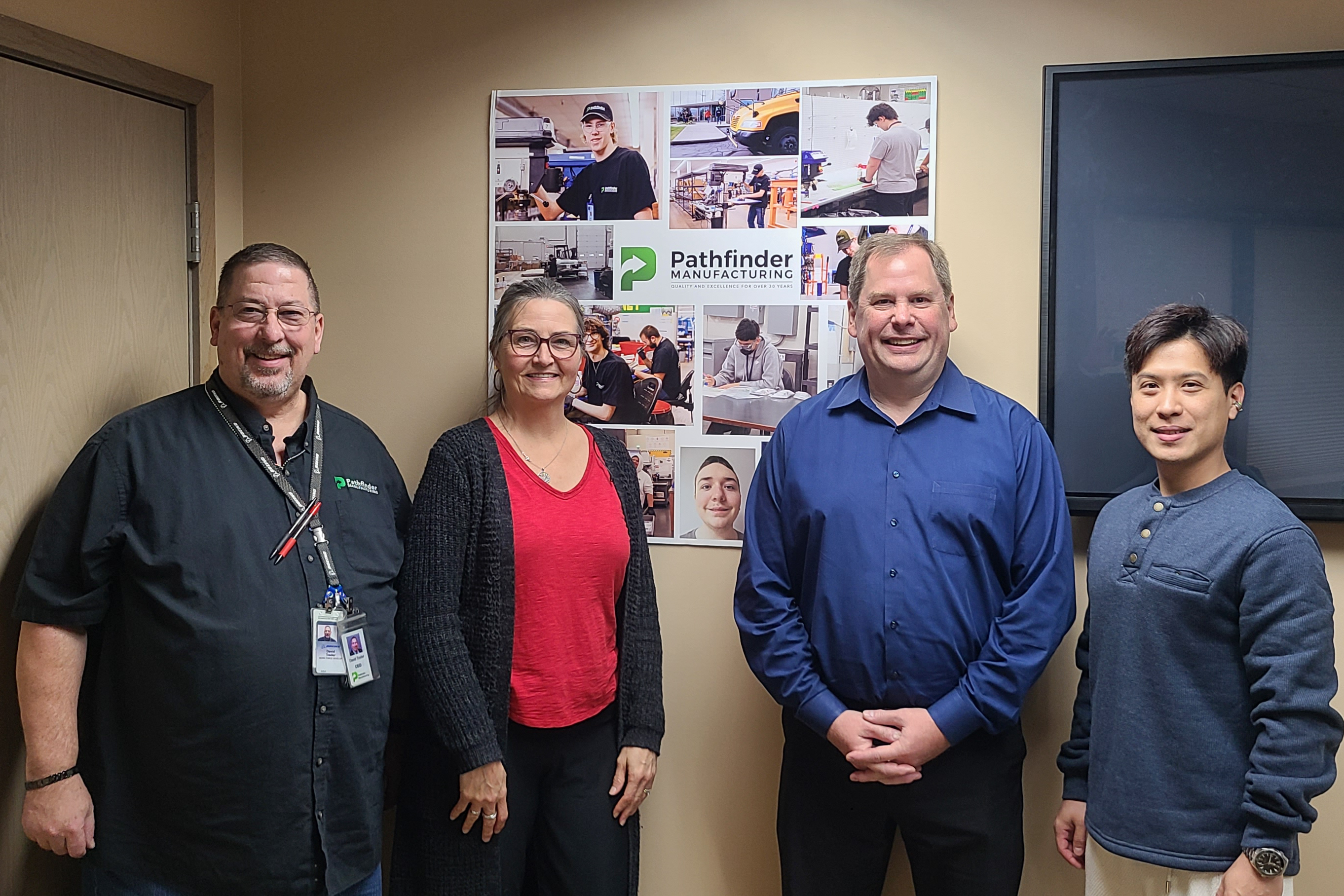
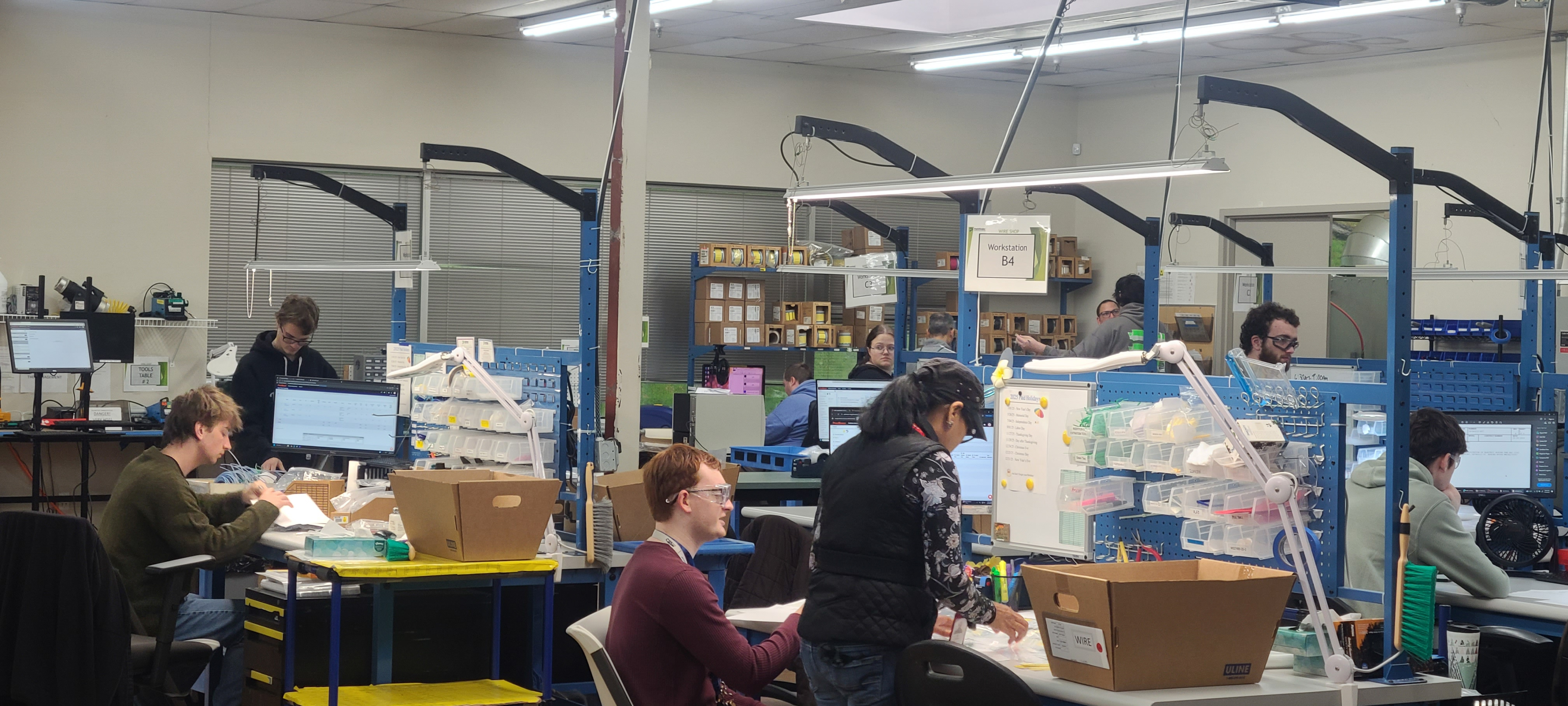
These students first complete in-class intensive training and must pass an exam. They spend the rest of the academic year working alongside a skilled team on the production floor, learning how to operate a variety of tools and equipment in each of the manufacturing areas. Students work one three-hour session each day, Monday through Friday, earning both minimum wage and credits toward graduation. A final 2-week instructional module delivered just prior to program completion focuses on personal finance and career preparation. Pathfinder has a total of 64 employees, one-third of whom are former students in the program and Pathfinder likes to promote employees from within the organization.
As Pathfinder Manufacturing has been working through the Enterprise Resource Planning (ERP) training, their trainers recognized a need to shift more specifically to meet the needs of the company. This kind of modification is what Seattle Colleges Corporate Training customization can entail to optimize the training for company success and the best use of State training funds. In the coming weeks, a number of employees will attend training to expand their supervision and leadership skills and confidence and broaden their future advancement opportunities.
Seattle Colleges Corporate and Customized Training team is proud to partner with a local business that offers an alternative technical training opportunity to high school students and employs adults in a highly skilled and valued profession.
tesla_trainer_title
Driving the Future: New Tesla-Based Trainer Powers Up SSC Auto Program
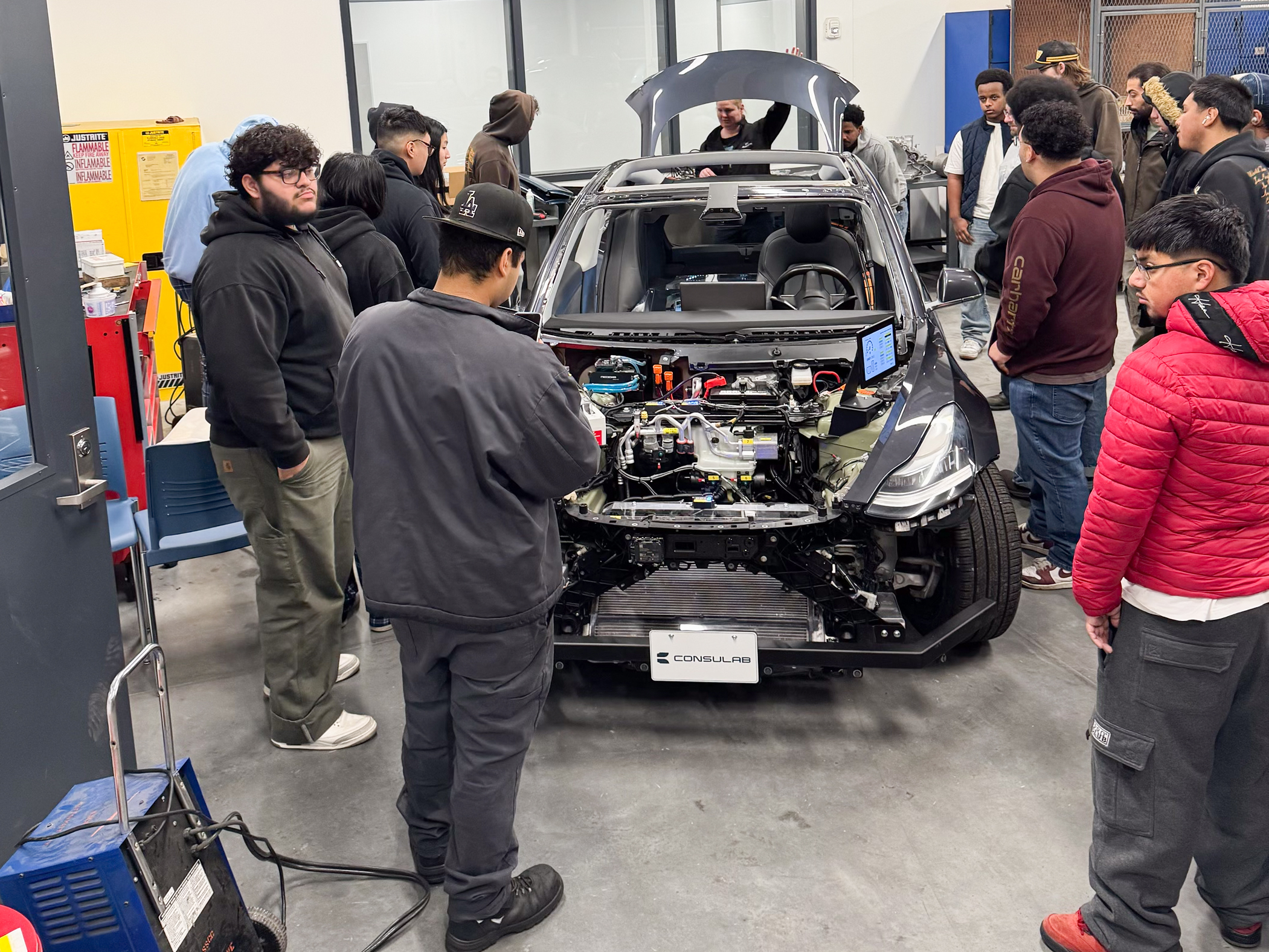
consulab_lead_text
In a major step to align with Washington's 2035 all-electric vehicle mandate, South Seattle College has secured a highly competitive grant. The funding was used to acquire a state-of-the-art Consulab EV trainer, positioning the college as the only non-manufacturer-specific EV training center in Seattle.
consulab_trainer_body
consulab_trainer_body_1
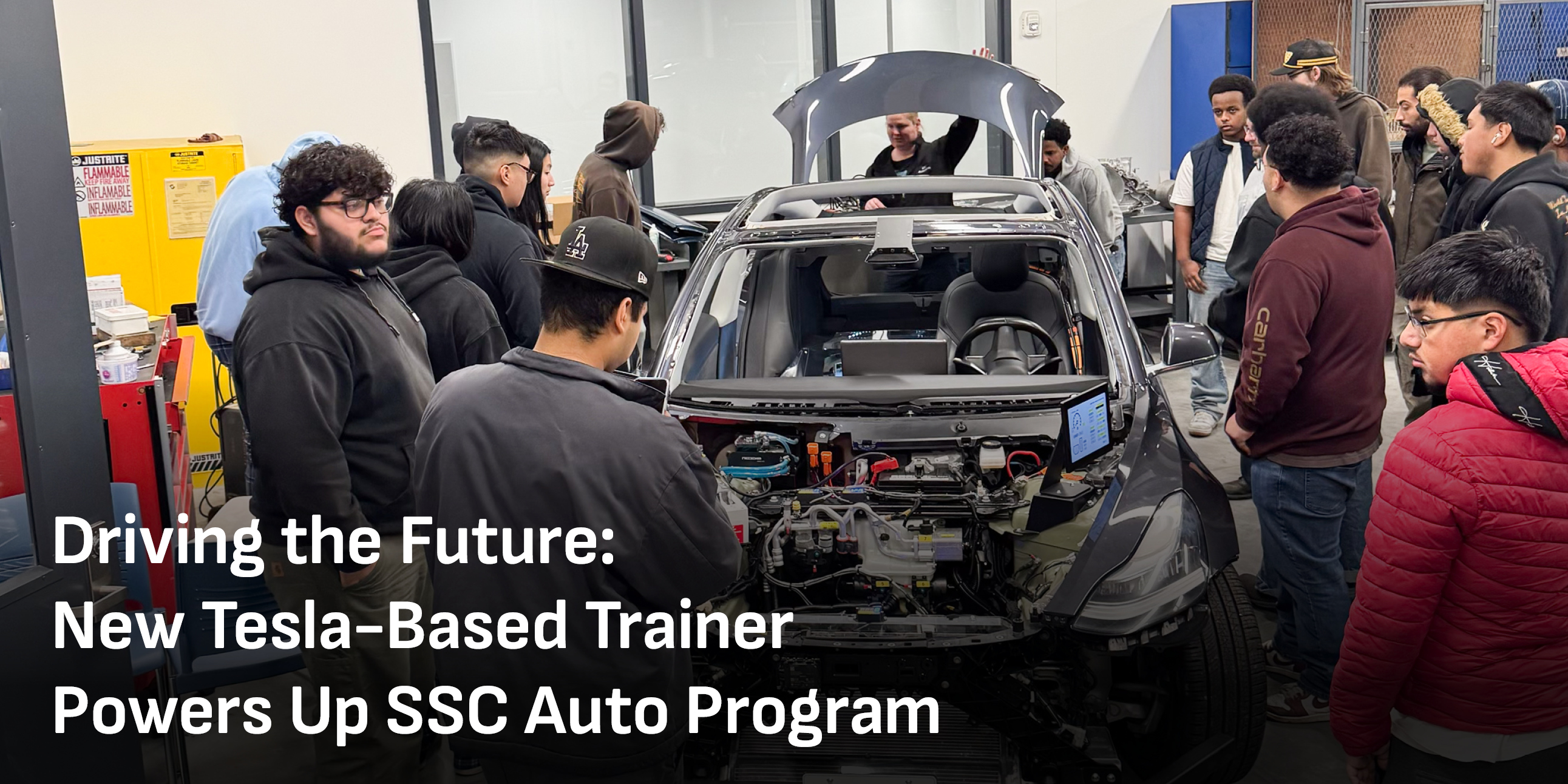
South Seattle College's Automotive Technology program has successfully acquired a cutting-edge electric vehicle (EV) training car, a move made possible by a significant grant from the SBCTC Workforce Development fund. This acquisition directly addresses the critical need for skilled technicians as Washington, with over 85,000 EVs in King County alone, moves toward its 2035 all-electric vehicle mandate.
The newly acquired trainer, a Consulab EV car modified from a Tesla Model 3, is a state-of-the-art tool. It is uniquely designed for education, featuring battery emulation that allows students to safely perform diagnostics and fault-finding exercises on a high-voltage system as if it were fully powered. This hands-on experience with charging, propulsion, and recuperation systems is vital for modern workforce training and was a key goal of the successful grant proposal authored by Sarah Sabay, Teryn Kilgore, and Ferdinand Orbino.
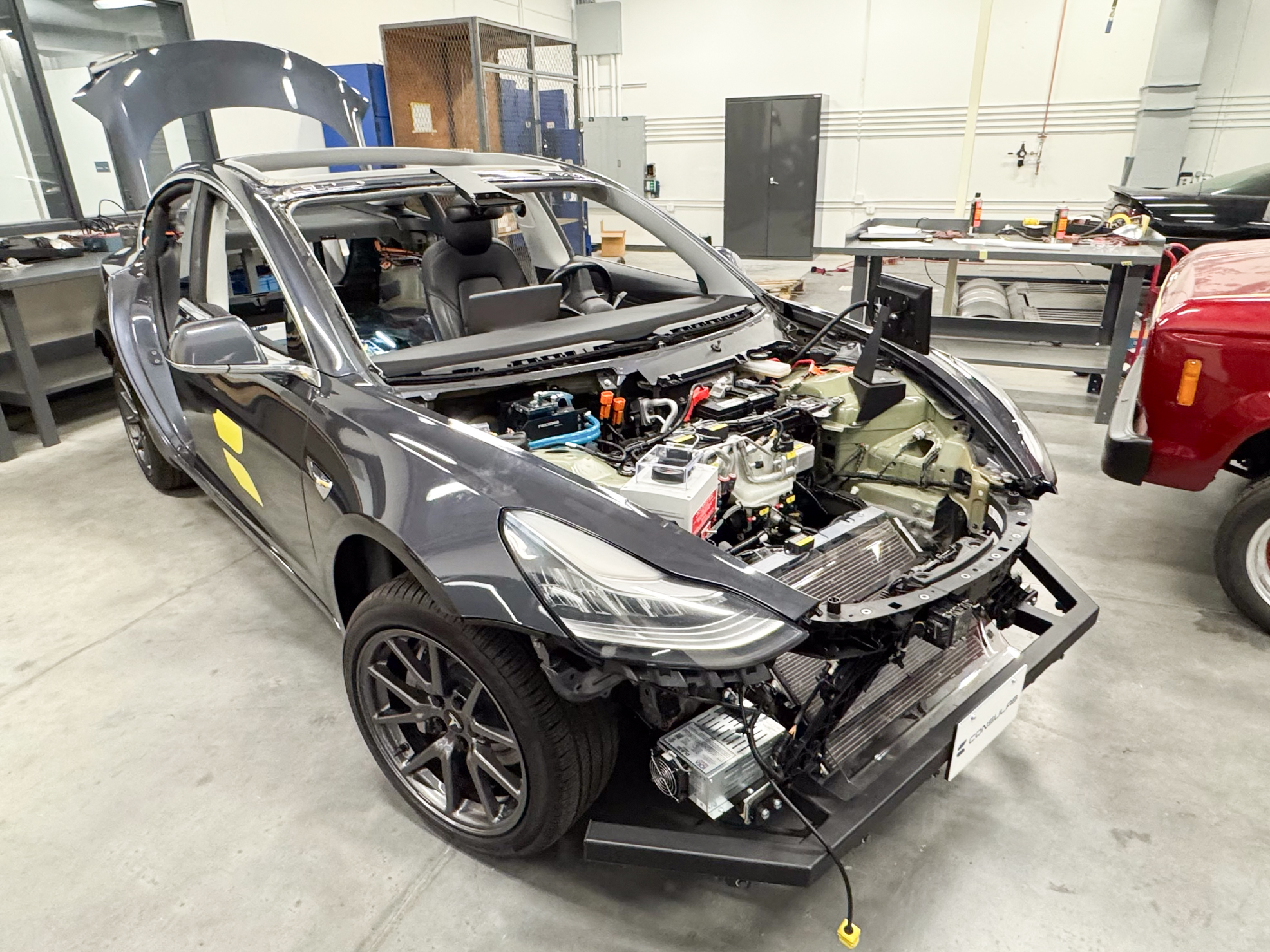
consulab_trainer_body_text_2
This investment, housed in the Steve and Sharon Huling Automotive Technology Center, cements SSC's position as the only non-manufacturer-specific EV training provider in Seattle. It directly supports the program's equity goals by providing diverse students from South King County with a direct pathway to high-wage careers, which average $70,000 for skilled EV technicians.
The new trainer is set to be integrated into existing advanced electrical courses this Fall and will form the foundation for a future certificate course for incumbent industry workers. This initiative, enthusiastically supported by the program's Technical Advisory Committee, ensures SSC remains at the forefront of automotive innovation and workforce development.
ai_panel_title
Dr. Sherif Joins "Equity by Design" Panel to Shape & Explore an Inclusive AI Workforce
ai_panel_lead
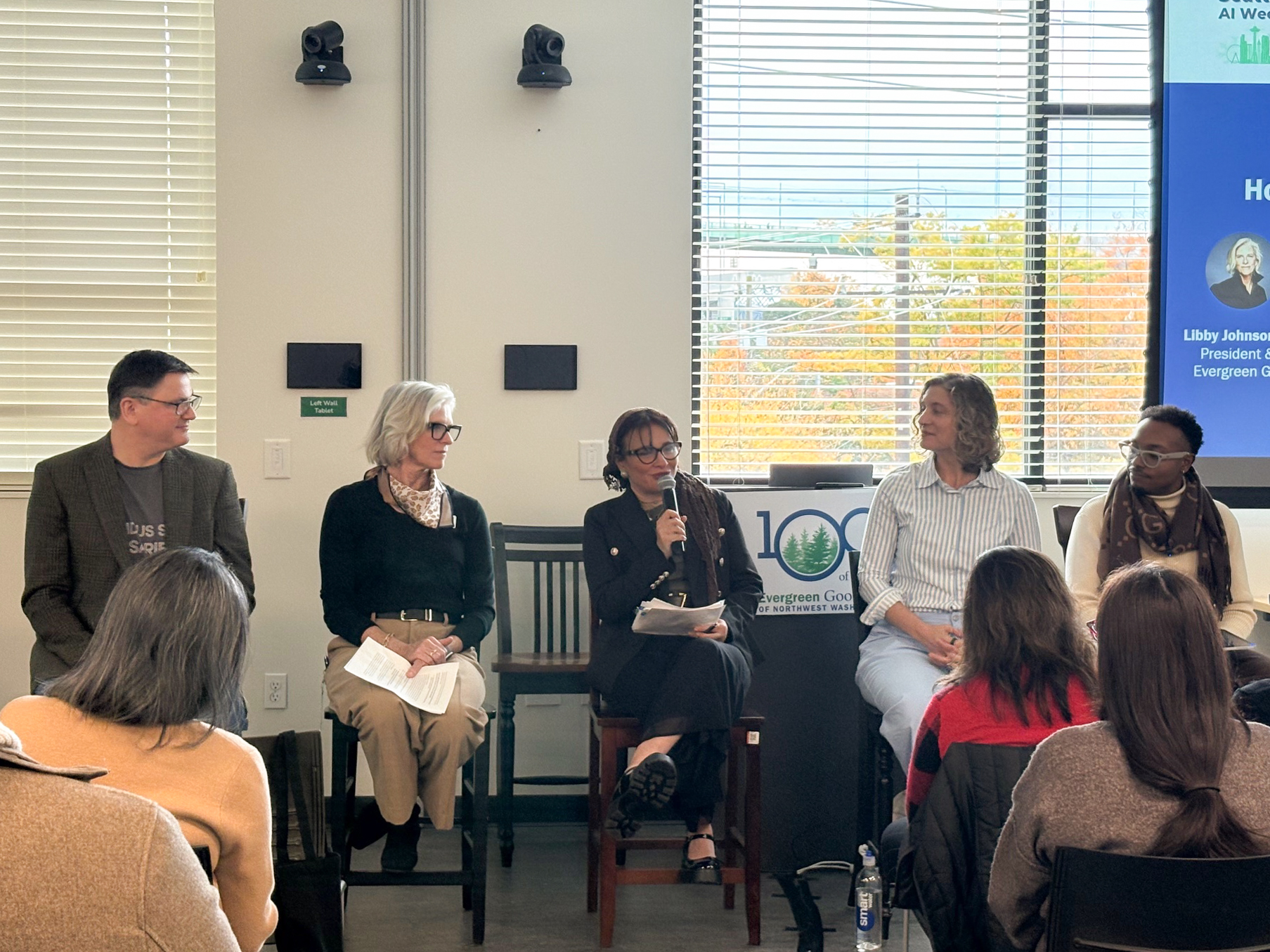
ai_panel_lead_text
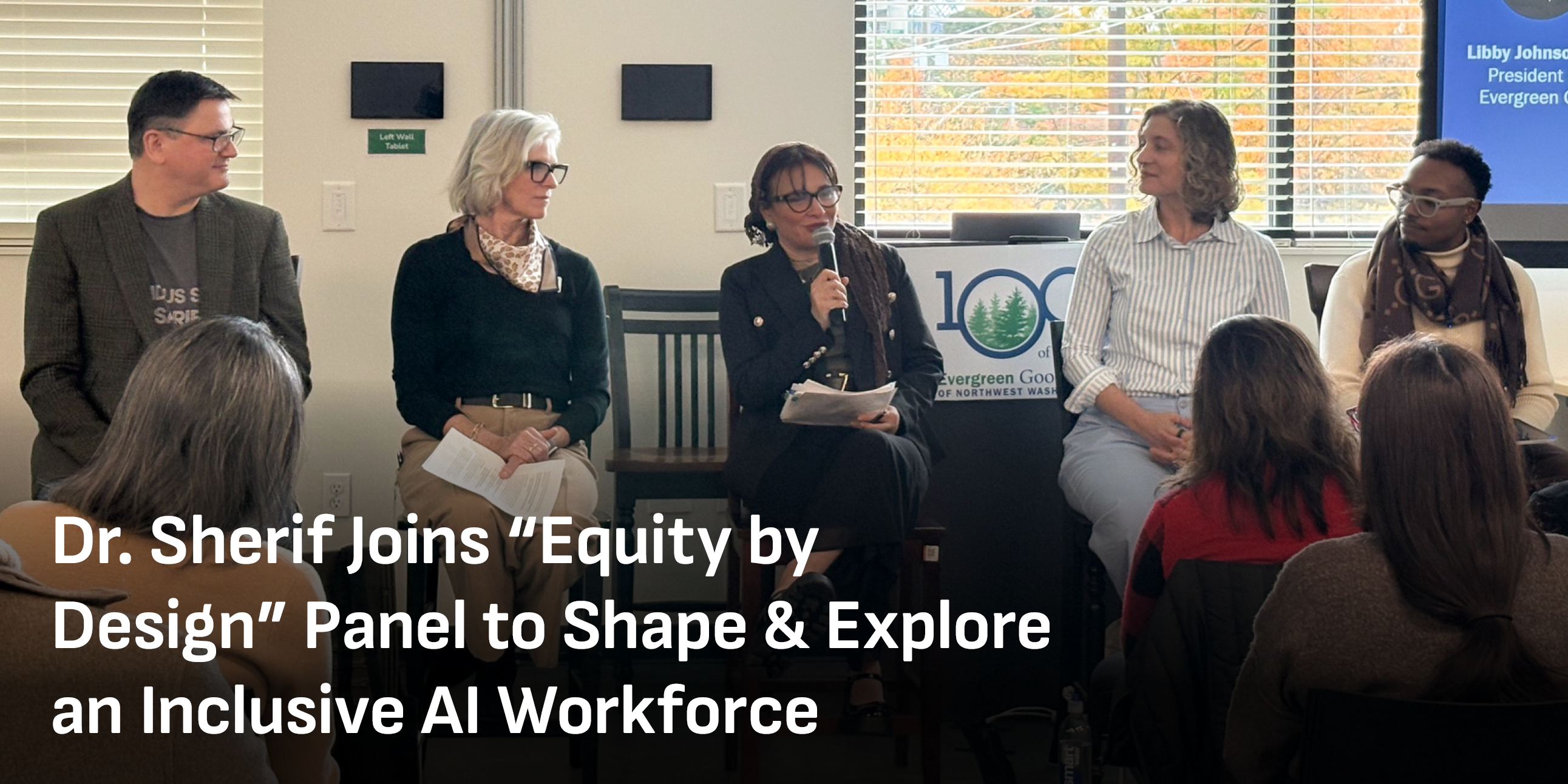
How can we ensure that Artificial Intelligence expands opportunity rather than automating inequality? This was the central question Dr. Dalia Sherif, Senior Executive Director of Workforce Development, addressed at Evergreen Goodwill's "Equity by Design" panel on October 30.
ai_panel_lead
ai_panel_body_text
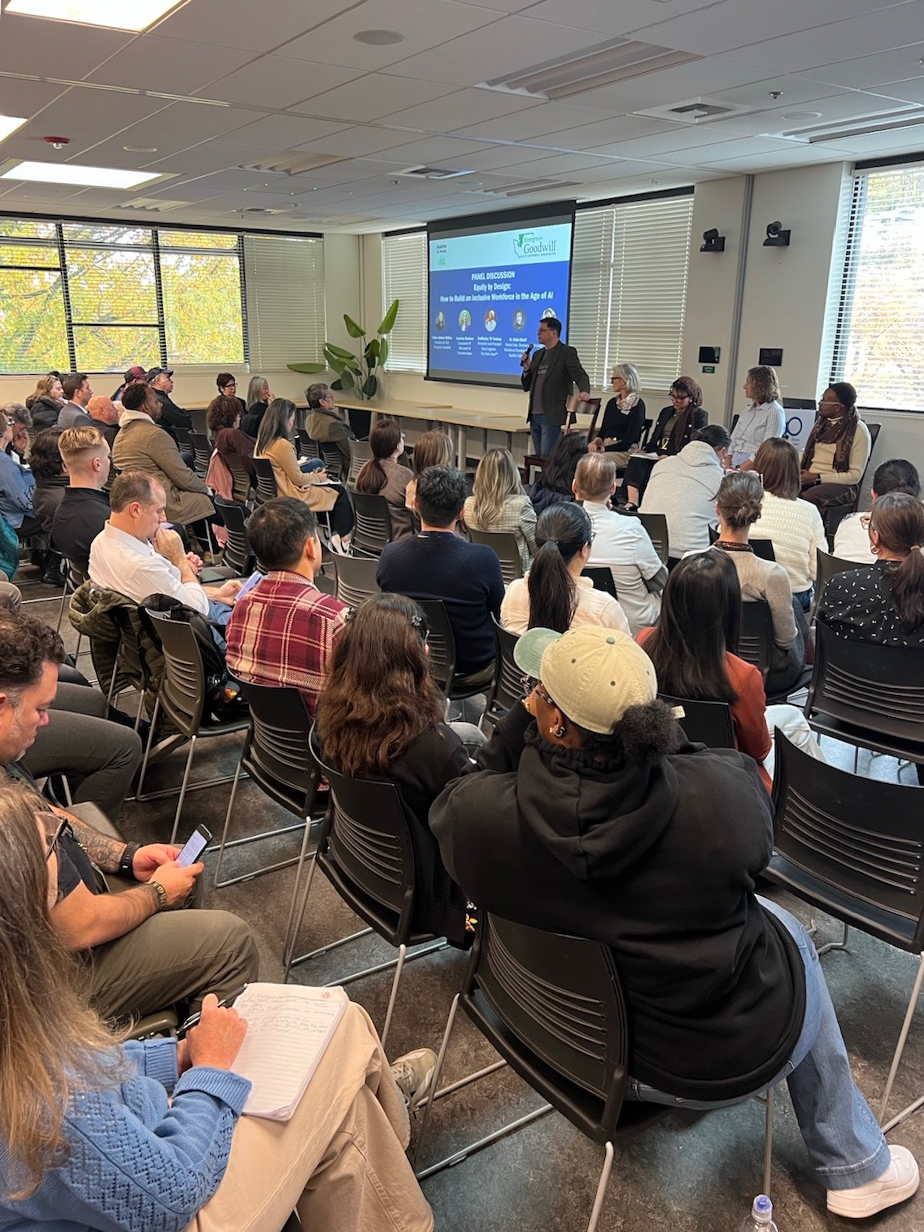
Highlighting Seattle Colleges' proactive approach to emerging technology, Dr. Dalia Sherif, Senior Executive Director of Workforce Development, joined regional leaders on October 30 for "Equity by Design," Evergreen Goodwill’s first AI Week panel. Moderated by Eric Arnold, the discussion focused on the critical topic of building an inclusive and equitable workforce in the age of AI.
Dr. Sherif emphasized that equity in AI means "ensuring that technology expands opportunity rather than automating inequality." Citing data that 92 percent of all jobs now require digital skills while one-third of U.S. adults still lack basic computer proficiency, she framed the mission of educators as closing that divide so that all workers can benefit from AI rather than be excluded by it.
When asked how Seattle Colleges is preparing people for these changes, Dr. Sherif highlighted the district's strategy of embedding AI literacy, data fluency, and digital ethics across more workforce programs—not just in IT, but in health care, business, and manufacturing as well. She pointed to a new "AI for Job Search" workshop as a practical example, teaching job seekers to use generative tools to feel more confident and digitally capable, ensuring AI acts as a "career-readiness accelerator... instead of being displaced by it."
Her message of integrating AI fluency across all disciplines resonated strongly. Pulitzer Prize-winning business journalist Byron V. Acohido, who covered the event, noted: "Dr. Dalia Sherif of Seattle Colleges spoke to the urgency of retooling education systems. AI is moving faster than traditional learning models, she noted, so her team is embedding hands-on fluency across programs... to help students navigate, not fear, AI-powered work."
The panel concluded with a call to action, where Dr. Sherif identified educators and nonprofits as the "equity backbone of the AI transition," reaching learners most likely to be left behind. She called for a collective effort: for government to fund reskilling grants and require Equity Impact Assessments, and for Big Tech to expand open-source tools and sponsor paid apprenticeships to ensure the benefits of AI are truly shared by all.
tac_meeting_tuesday
tac_meeting_tuesday
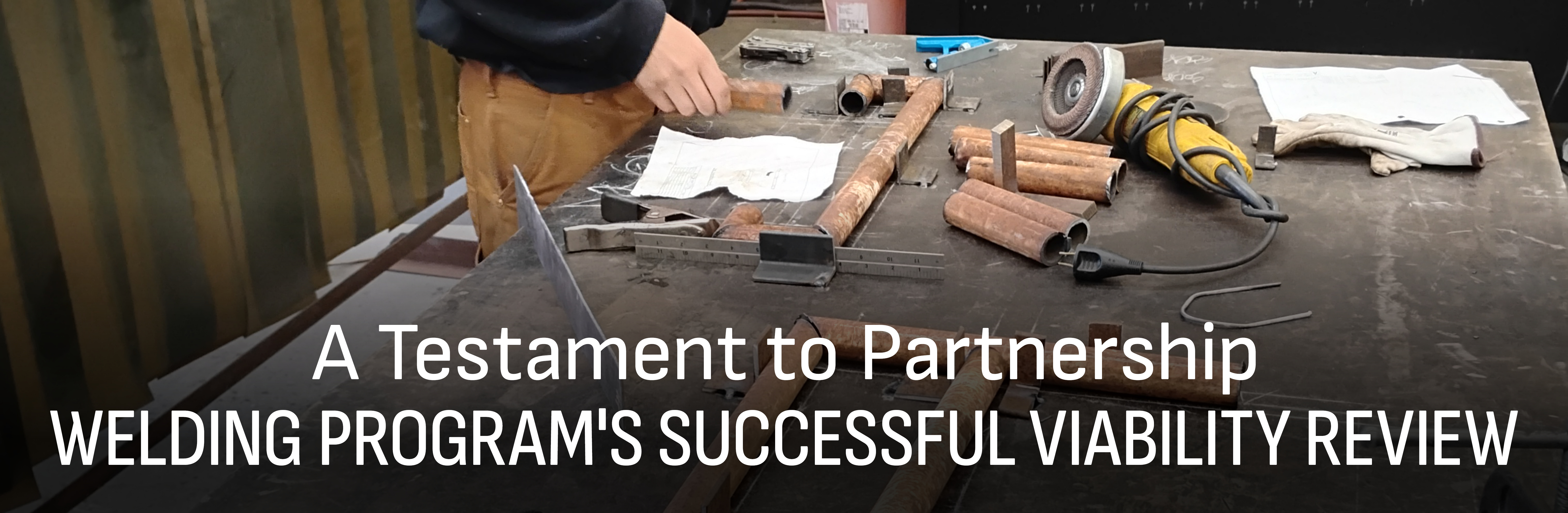
Highlighting the power of deep industry collaboration, South Seattle College’s Welding program recently announced the successful completion of its Program Viability Review—a milestone achieved with the "tremendous show of support" from its dedicated Technical Advisory Committee (TAC).
Highlighting the power of deep industry collaboration, South Seattle College’s Welding program recently announced the successful completion of its Program Viability Review—a milestone achieved with the "tremendous show of support" from its dedicated Technical Advisory Committee (TAC).
In a recent update to the committee, Welding Faculty Doug Rupik, M.Ed., shared the good news that the review process allowed the program to "identify and correct some issues that had negative impacts." He extended his deep appreciation to the TAC members for their crucial support throughout the process, which was vital to this successful outcome.
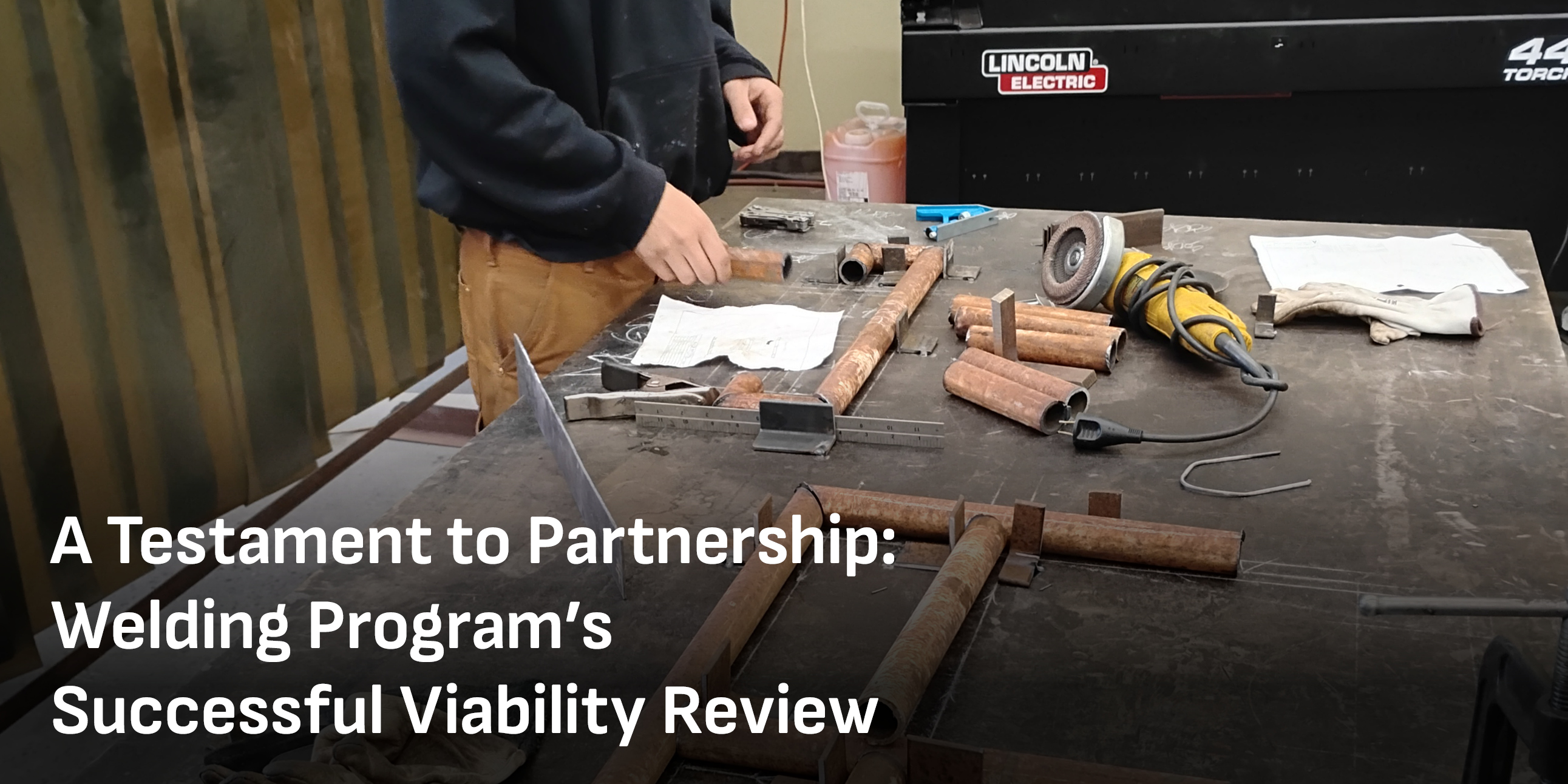
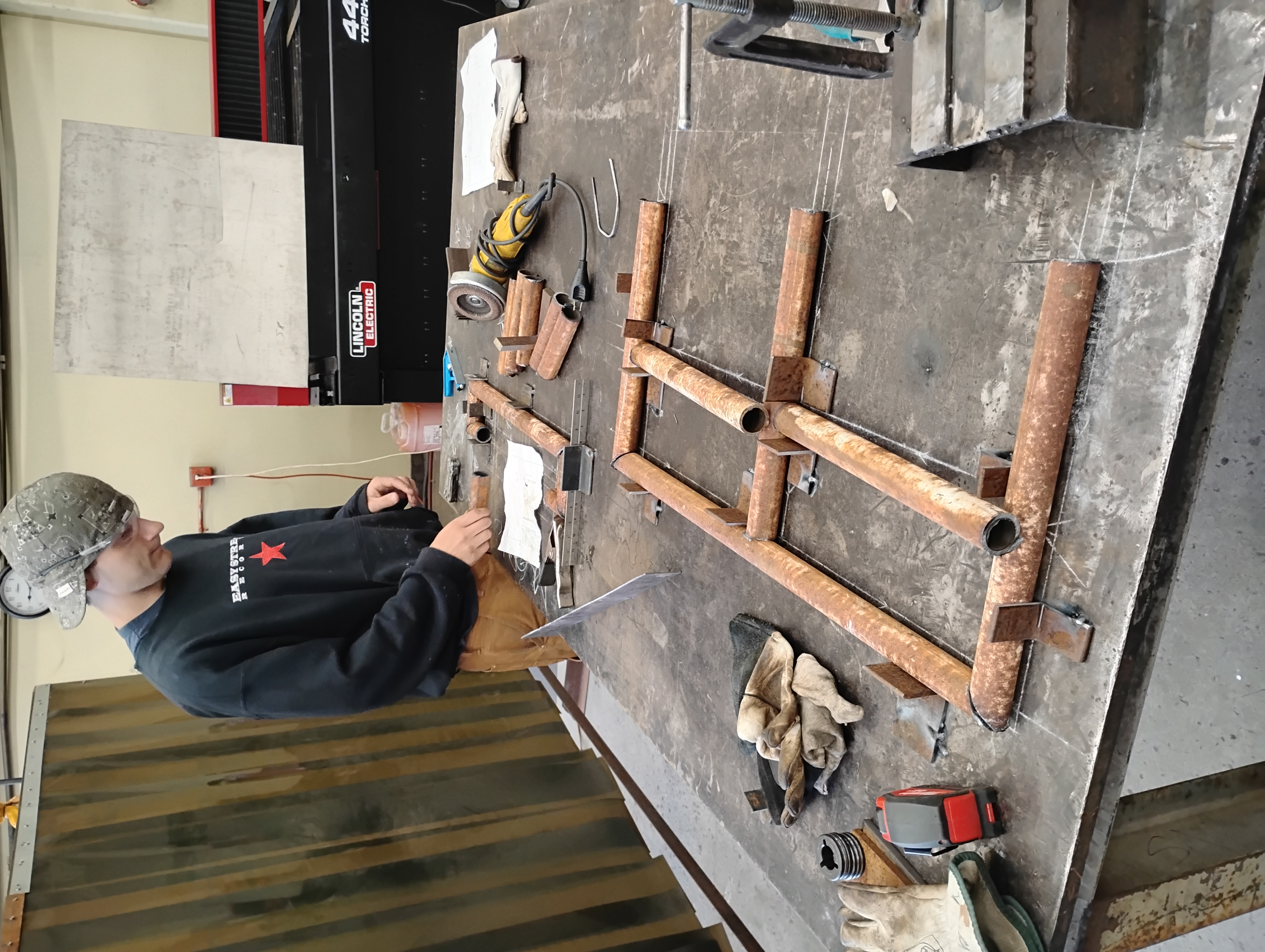
Rupik, a Journeyman Ironworker and CWI, also underscored the program's ongoing commitment to providing practical, employment-focused skills. He shared photos of students fabricating miniature handrails—a hands-on project designed to "expose our students to some basics to help prepare them for employment".
This success story is a powerful example of how dedicated faculty and an engaged TAC work together to ensure program excellence and student success. The program's effectiveness is further highlighted by its graduates, such as alumnus Floyd Sagor, who was recently featured in a Seattle Promise profile about his successful career in the industry after graduating from the program.